
Advisory Board
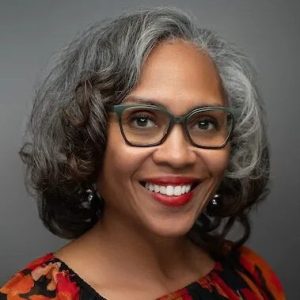
Lisa L. Barnes, PhD
About Dr. Barnes
Dr. Lisa L. Barnes, PhD, is the Alla V. and Solomon Jesmer Professor of Gerontology and Geriatric Medicine and a cognitive neuropsychologist within the Rush Alzheimer’s Disease Center at Rush University Medical Center. She is also the Associate Director of the Rush Alzheimer’s Disease Research Center. She received her PhD from the University of Michigan in biopsychology and completed a post-doctoral fellowship in cognitive neuroscience at the University of California, Davis. She joined the faculty of Rush as an assistant professor in 1999.
Barnes has received many NIH grants and has published over 300 manuscripts. She is internationally recognized for her contributions to minority aging and minority health. Her research interests include disparities in chronic diseases of aging, cognitive decline, and risk factors for Alzheimer’s disease. She is the Principal Investigator of two longitudinal community-based studies of older African Americans, including the Minority Aging Research Study (MARS), which has been funded by NIA since 2004 and the African American Clinical Core which she has led since 2008. She advocates for recruitment of under-represented groups into clinical studies and has received many awards and fellowships from universities and organizations throughout the U.S.
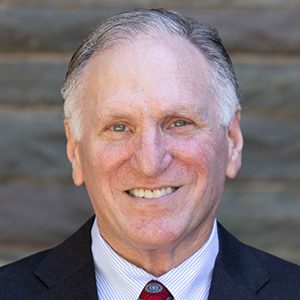
Peter A. Lichtenberg, PhD
About Dr. Lichtenberg
Peter A. Lichtenberg, Ph.D. is the past Director of the Institute of Gerontology (1999-2024) and was the Founding Director of the Wayne State University Lifespan Alliance. Dr. Lichtenberg is a Distinguished University Service Professor of Psychology and Gerontology. He is a clinical psychologist and obtained his Ph.D. at Purdue University in 1986 and completed post-doctoral training in geriatric neuropsychology from the University of Virginia.
Dr. Lichtenberg is a national expert in financial capacity assessment and financial exploitation of older adults. Dr. Lichtenberg, one of the first board certified Clinical Geropsychologists in the nation, has made contributions to the practice of psychology across a variety of areas including in Alzheimer’s disease, medical rehabilitation and with those suffering from late life depression. He is particularly interested in the area of intersection between financial capacity and financial exploitation; finding ways to balance autonomy and protection for older adults. He has published articles on psychological vulnerability and fraud and is nationally known for his work on financial decision making, capacity and undue influence. He has conducted independent medical evaluations and expert witness work over 200 times in the past decade on issues related to older adults and capacity as well as undue influence. He has taught clinicians across the nation on improving their assessments of capacity and of financial exploitation. Dr. Lichtenberg is the author of seven books including the 2015 APA 2 Volume Handbook of He has authored or co-authored over 220 peer review journal articles and book chapters.
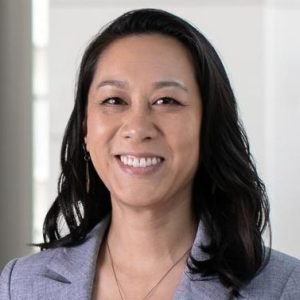
Regina Shih, PhD
About Regina
Dr. Regina Shih’s main research areas are mental health, youth development, aging, dementia, and caregiving. Her skills include policy analysis, multi-level analysis of large datasets, study design, strategic planning, and program evaluation. Her research interests are varied and center community-engaged approaches and policy-relevant outcomes. With her collaborators, she evaluated the associations between alcohol and cannabis outlet density and youth substance use, developed medication reconciliation measures for post-acute care settings across the US under the Improving Medicare Post-Acute Care Transformation Act, created a national database of neighborhood measures to examine contextual influences on dementia risk, outlined policy recommendations for improving sleep in the U.S. military; published a policy blueprint for dementia long-term services and supports that resulted in Congressional testimony; tested a multi-site RCT to prevent substance use in middle schools; developed a toolkit for local public health and aging departments to prepare older adults for climate change-related events, and conducted a risk assessment of environmental health risks for the U.A.E.’s environmental health action plan.

Roland J. Thorpe Jr., PhD
About Dr. Thorpe
Dr. Thorpe is a professor in the Department of Health, Behavior, and Society at the Bloomberg School of Public Health, where he also serves as Deputy Director of the Hopkins Center for Health Disparities Solutions, Co-Director of the Johns Hopkins Alzheimer’s Disease Resource Center for Minority Aging Research, and Co-Director of the Health Equity and Social Justice concentration in the DrPH Program. He holds joint appointments in the Division of Geriatric Medicine and Gerontology and the Department of Neurology in the School of Medicine, as well as in the Department of Sociology in the Krieger School of Arts and Sciences.
A social epidemiologist and gerontologist, Dr. Thorpe’s research focuses on how race, socioeconomic status, and segregation influence health and well-being among African Americans, particularly African American men. He is the recipient of numerous awards recognizing his commitment and contributions to mentoring students and faculty, including the Johns Hopkins Bloomberg School of Public Health Advising, Mentoring, and Teaching Recognition Award; the inaugural 2018 NHLBI OHD PRIDE Roland J. Thorpe, Jr. Mentoring Award; the 2020 JHBSPH Dean’s Award of Distinction in Faculty Mentoring; and the 2020 Minority Issues in Gerontology Outstanding Mentorship Award.
Dr. Thorpe earned a bachelor’s degree in theoretical mathematics from Florida A&M University, a master’s degree in statistics, and a Ph.D. in clinical epidemiology with a graduate minor in gerontology from Purdue University.
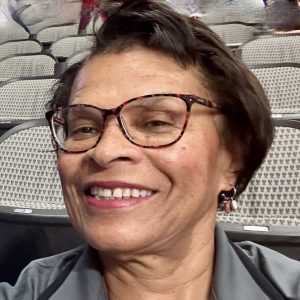
M. Belinda Tucker, PhD
About Dr. Tucker
Dr. M. Belinda Tucker is Professor Emerita of Psychiatry & Biobehavioral Sciences, and Professor Emerita of Psychiatry & Biobehavioral Sciences at UCLA. She trained as a social psychologist and survey researcher at the University of Michigan. Belinda served as Acting Director of the Center for Afro- American Studies, as Associate Dean in the Graduate Division, and as the inaugural Vice Provost of UCLA’s Institute of American Cultures where she oversaw the operations of the ethnic studies research centers. She played a significant leadership role in the development of critical campus-wide initiatives (now studied nationwide) to enhance the climate for diversity. Belinda was the National Director of the Family Research Consortium IV, a collaborative network of scholars focused on family mental health, and its affiliated postdoctoral fellowship training program, funded by the National Institute of Mental Health and the Robert Wood Johnson Foundation.